
Upcycling Architectural Elements: Breathing New Life into Old Materials
In an age where sustainability is becoming increasingly vital, upcycling architectural elements offers a creative and eco-friendly way to design and renovate spaces. Upcycling involves repurposing old materials and giving them a new lease on life, transforming what might have been discarded into something beautiful and functional. This blog explores the art of upcycling architectural elements, highlighting its benefits and providing inspiring ideas for incorporating upcycled materials into your home.
The Benefits of Upcycling Architectural Elements
- Environmental Impact: One of the most significant advantages of upcycling is its positive impact on the environment. By reusing materials that would otherwise end up in landfills, upcycling reduces waste and the need for new raw materials. This, in turn, lowers the carbon footprint associated with manufacturing and transporting new building materials.
- Unique Aesthetic: Upcycled materials bring a unique charm and character that new materials often lack. Each piece carries a history and a story, adding depth and personality to your space. Whether it’s reclaimed wood, salvaged metal, or repurposed bricks, these elements can create a distinctive and timeless look.
- Cost-Effective: Upcycling can also be a cost-effective alternative to purchasing new materials. Salvaged items are often available at a fraction of the cost of new ones, making it an attractive option for budget-conscious homeowners and designers.
- Preserving History: By upcycling architectural elements, you preserve pieces of history that might otherwise be lost. Incorporating vintage materials into modern designs creates a bridge between the past and present, celebrating the craftsmanship and artistry of bygone eras.
Creative Ideas for Upcycling Architectural Elements
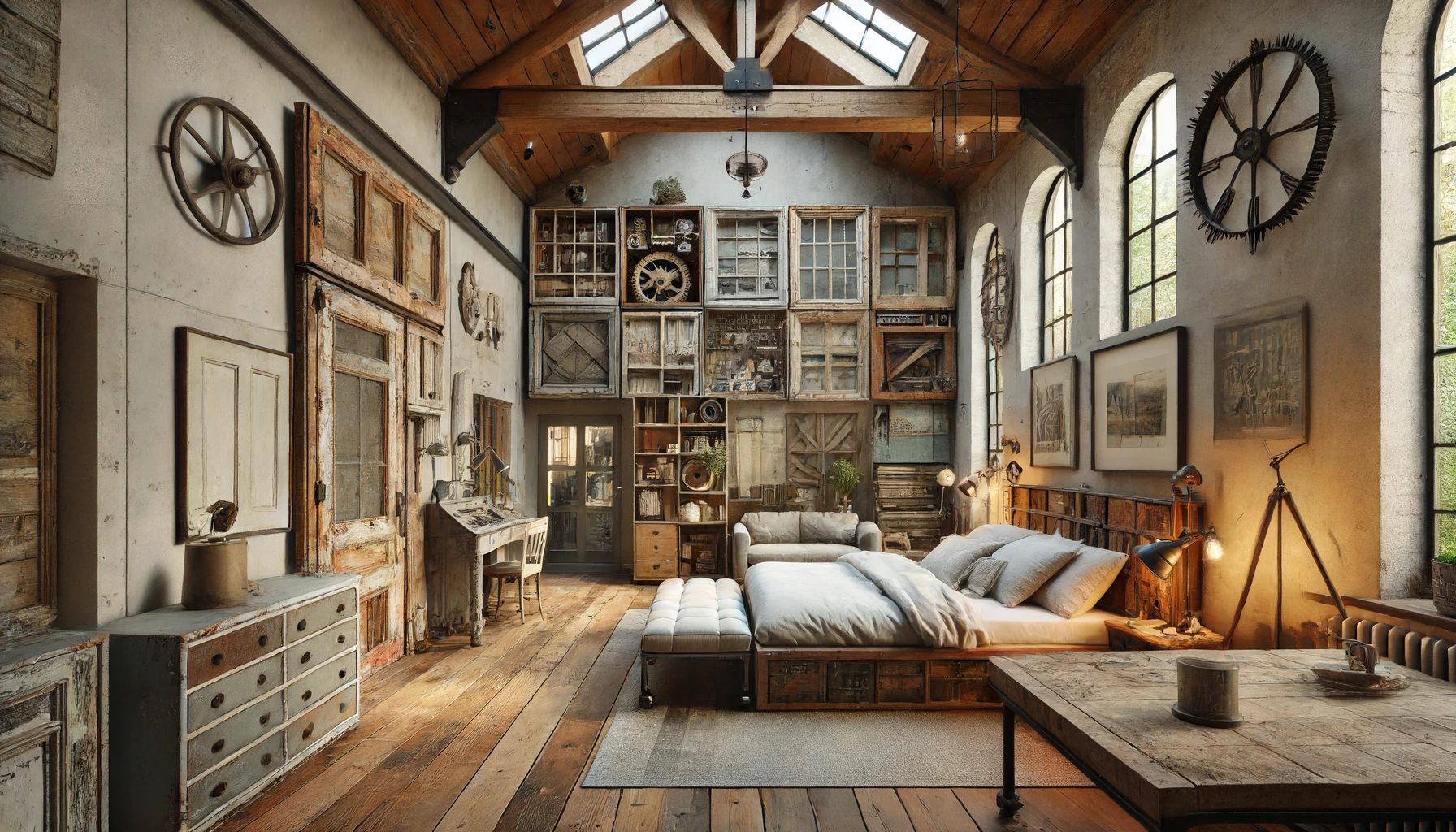
- Reclaimed Wood Flooring and Beams: Reclaimed wood is a popular choice for upcycling due to its durability and aesthetic appeal. Old barn wood, for example, can be repurposed into beautiful flooring or exposed ceiling beams, adding rustic charm and warmth to any room. Each piece of wood has its own unique grain and patina, telling a story of its previous life.
- Salvaged Doors and Windows: Old doors and windows can be transformed into stunning design features. A salvaged door can become a headboard, a tabletop, or even a unique sliding barn door. Vintage windows can be repurposed into decorative mirrors, picture frames, or room dividers, adding a touch of elegance and character.
- Repurposed Metal and Industrial Elements: Industrial chic is a popular design trend that embraces the raw, unfinished look of metal and other industrial materials. Repurposed metal pipes can be used to create shelving units, light fixtures, or even furniture legs. Old machinery parts can be transformed into art pieces or functional decor, adding an edgy, modern vibe to your space.
- Upcycled Brick and Stone: Bricks and stones from demolished buildings can be reused in various ways. They can be incorporated into garden paths, accent walls, or fireplace surrounds. The weathered texture and colour variations of these materials bring a sense of history and permanence to your home.
- Vintage Tiles and Fixtures: Salvaged tiles and fixtures from old buildings can be given a new purpose. Vintage tiles can be used to create unique backsplashes, tabletops, or accent walls. Old sinks, bathtubs, and light fixtures can be restored and integrated into contemporary designs, blending the old with the new seamlessly.
Tips for Successful Upcycling
- Source Responsibly: When looking for materials to upcycle, seek out reputable salvage yards, antique shops, and online marketplaces. Ensure that the materials are in good condition and safe for reuse.
- Plan and Design Thoughtfully: Before incorporating upcycled elements into your home, carefully plan and design how they will be used. Consider how they will complement the existing aesthetic and how they can be integrated seamlessly.
- Embrace Imperfections: One of the charms of upcycled materials is their imperfections. Embrace the weathered textures, patinas, and unique character of each piece. These imperfections tell a story and add authenticity to your design.
- Combine with Modern Elements: To avoid an overly rustic or dated look, balance upcycled materials with modern design elements. This blend creates a harmonious and sophisticated aesthetic that feels both timeless and contemporary.
Upcycling architectural elements is a sustainable and creative way to design and renovate spaces. By repurposing old materials, you not only reduce waste and environmental impact but also create a unique and personalised aesthetic that tells a story. Whether you’re incorporating reclaimed wood, salvaged doors, repurposed metal, or vintage tiles, the possibilities are endless. Embrace the art of upcycling and breathe new life into old materials, transforming your home into a space that is both beautiful and sustainable.